Can You Do Driving Lessons in Your Own Car
Yes, you can take driving lessons in your own car if it meets the legal rules and insurance requirements. Many learners choose this option for more comfort, flexibility, and confidence while learning.
It can also reduce lesson costs, but it comes with extra responsibility for safety and supervision.
At the start, some learners prefer to mix their private practice with Automatic Driving Lessons, especially if they want to build confidence in a simpler way before using their own vehicle. This balance makes the early days of driving feel smoother.
To do this, you need a provisional licence and must be at least 17 years old, unless you qualify through PIP or DLA.
The car must be road legal, taxed, have a valid MOT, and be insured. Clear L plates should be fixed to the front and rear of the car at all times.
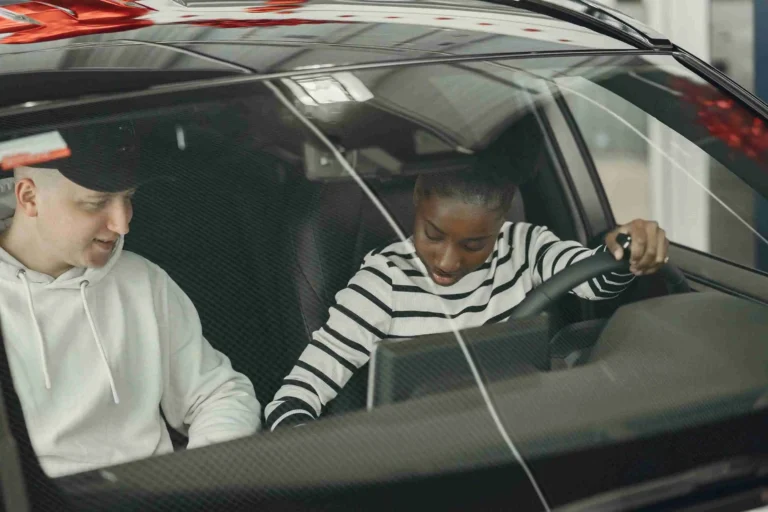
A supervisor must sit with you whenever you practise. They need a full licence from the UK, EU, or EEA, be over 21, and have at least three years’ experience with a manual car if you want a manual licence.
The supervising driver cannot use a mobile phone or be under the influence of alcohol or drugs.
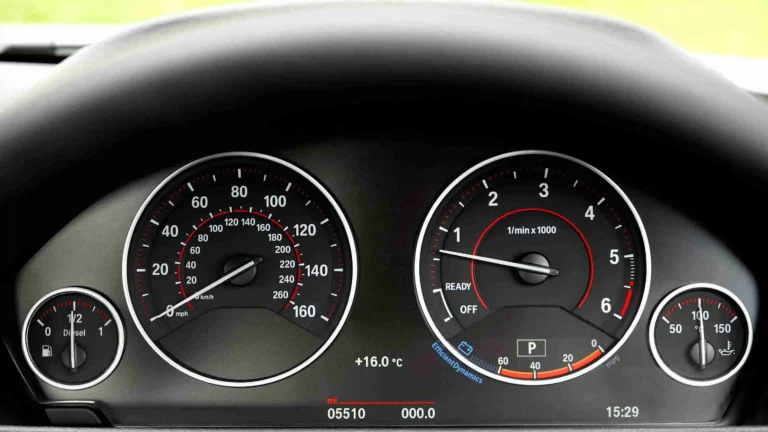
Your car must meet DVSA regulations for learners. It should have an mph speedometer, four wheels, a MAM under 3,500 kg, working dashboard warning lights, safe tyre tread depth, and working seatbelts with proper head restraints.
The car must also be smoke-free, with a rear-view mirror for the supervisor.
Insurance is another important point. A standard insurance policy may not cover a learner driver, so you may need learner insurance.
Options include a short-term policy, annual cover, or test insurance, and sometimes you can be added as a named driver. Each choice depends on your budget and how often you want to practice.
Many learners also use extra support like Refresher Driving Lessons Sheffield if they’ve taken a break or want to polish specific skills. Combining private practice with structured lessons often makes progress faster.
Some learners practise in their own BMW Mini convertible, Ford KA convertible, Toyota iQ, or even a VW Beetle convertible.
These cars are fine as long as they are roadworthy and suitable for the driving test. Panel vans and other large vehicles are allowed too, provided they meet DVSA-approved standards.
Learning in your own car can save money on lesson fees, fuel, oil, wiper fluid, coolant, and repairs. It also helps you feel more confident in the car you will drive after you pass.
However, many learners still combine this with lessons from an ADI or bona fide instructor, since they have dual controls and teach professional driving techniques.
There are clear advantages to using your own car, like cost savings, flexibility, and stronger motivation. You can learn day or night, with family or friends, and practise without a curfew.
And if you’re based outside Sheffield, you can choose driving lessons in Barnsley to get the same quality training closer to home.
Balancing professional advice with family supervision gives the best foundation. This way, you enjoy the freedom of your own car while still being guided by DVSA-approved standards.
Many find this approach improves their confidence and helps them pass the driving test successfully.